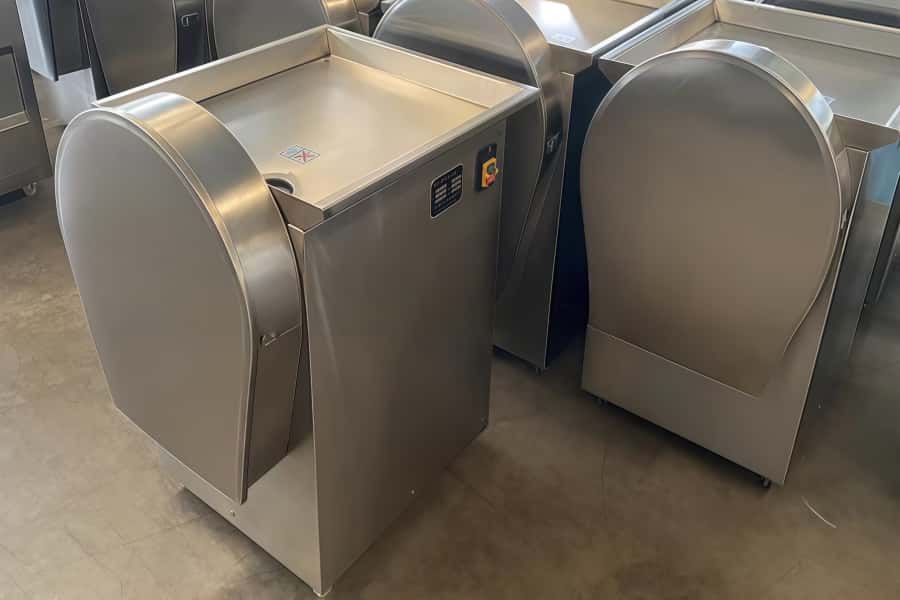
Advantages Of Central Kitchen Clean Vegetable Processing
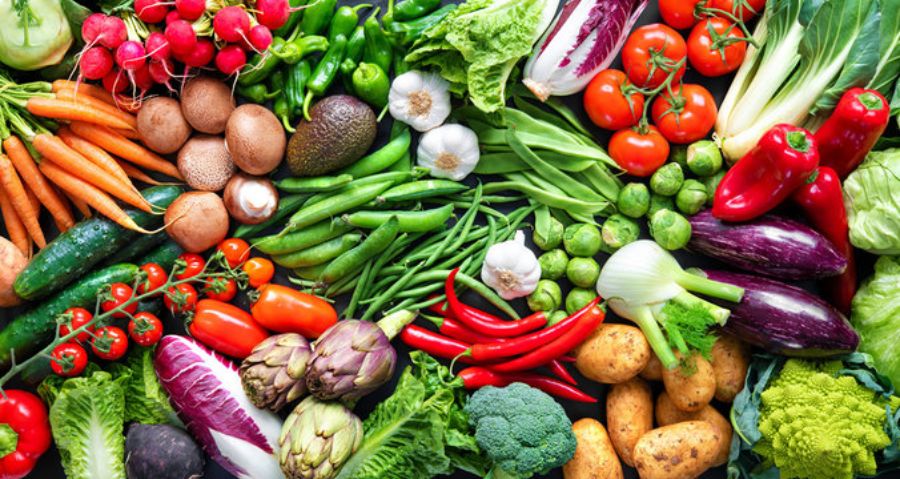
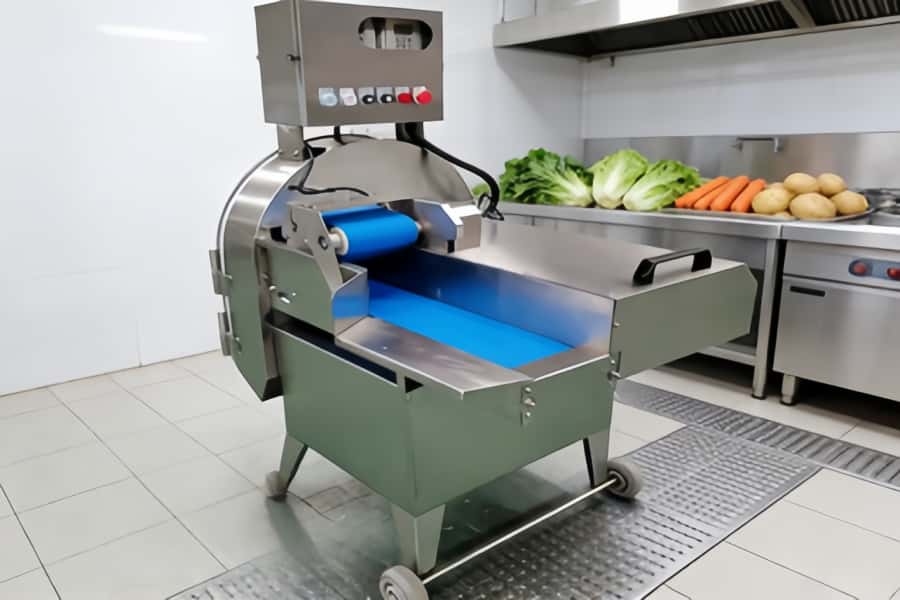
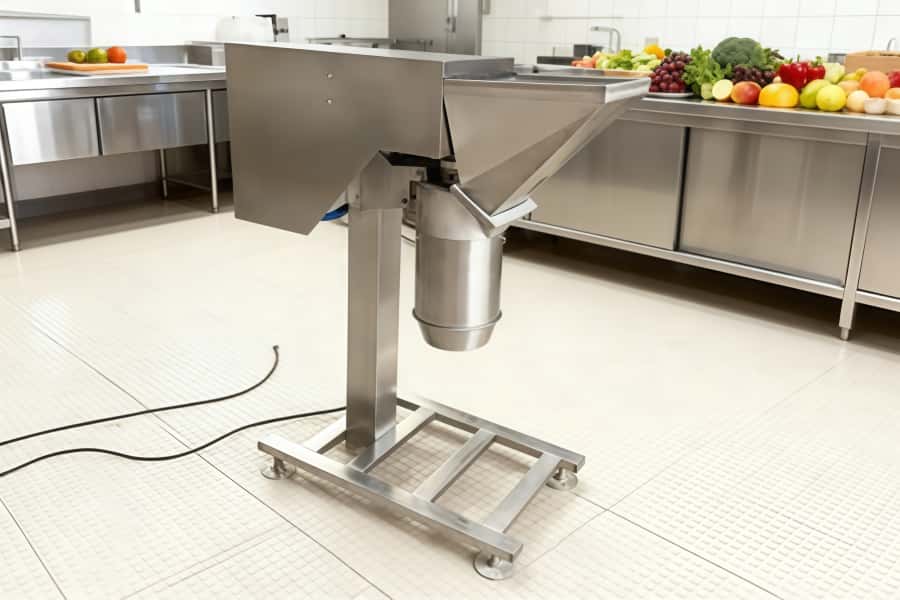
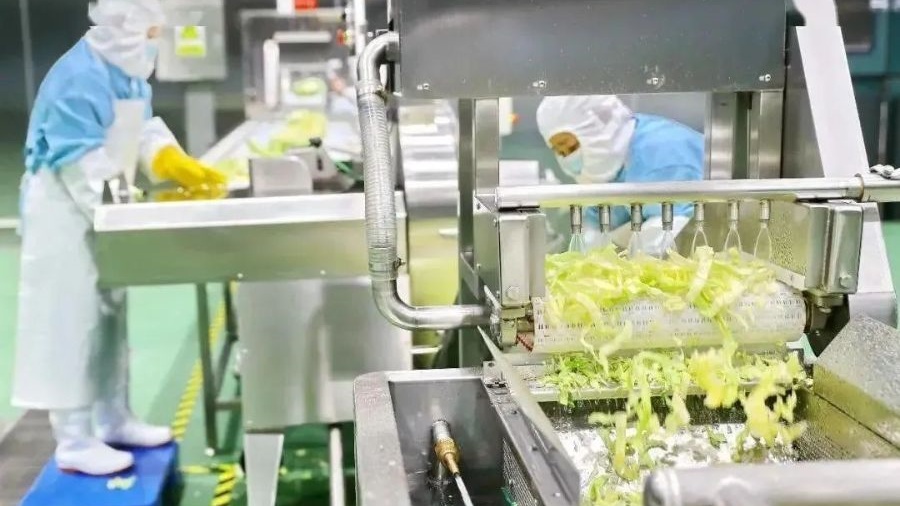
1. Leafy vegetable processing line equipment: material elevator, manual sorting and selection platform, multi-functional vegetable cutter, bubble vortex cleaning machine, vibration drainer, tumble dryer or centrifugal dehydrator, etc.
2. Root and tuber processing line equipment: soaking and lifting machine, brush cleaning and peeling machine, manual sorting and picking platform, multi-functional vegetable cutting machine, bubble cleaning machine, vibration drainer, flip-type air dryer, etc.
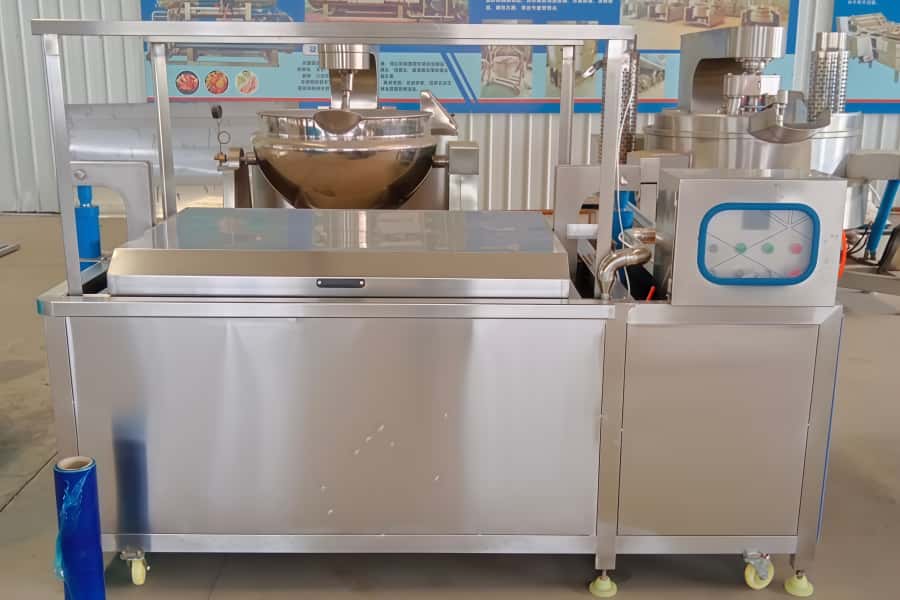
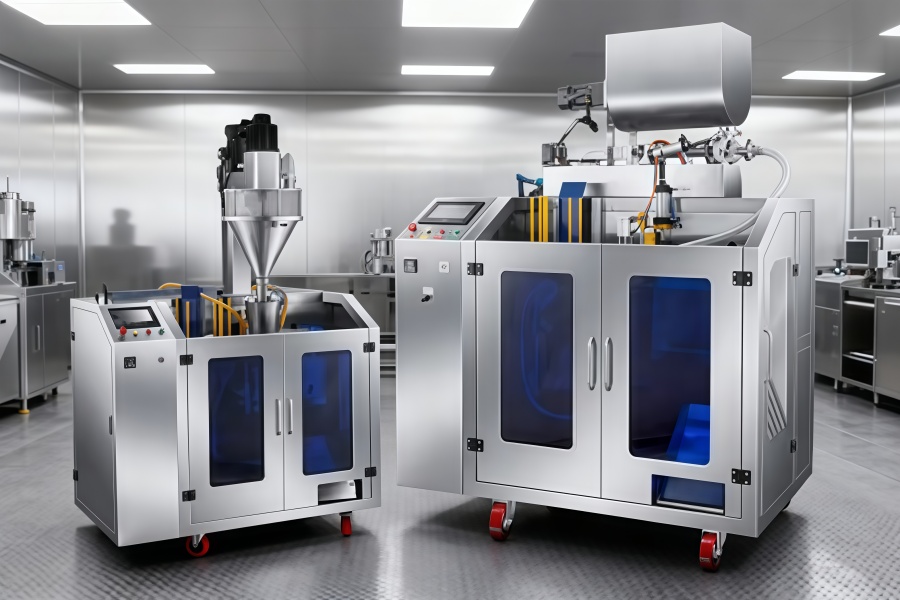
These machines are responsible for lifting, sorting, washing, peeling, cutting, draining, and air-drying, ensuring efficient, safe, and hygienic processing of fresh vegetables. The entire fresh vegetable (pre-prepared food) processing line is constructed from high-quality stainless steel and equipped with food-grade PVC belt conveyors and a stepless speed regulator. It adapts to various floor types, enabling continuous feeding and automated production. Our company can provide comprehensive solutions for fresh vegetable processing in central kitchens, including site planning and design, equipment selection, installation, and commissioning.
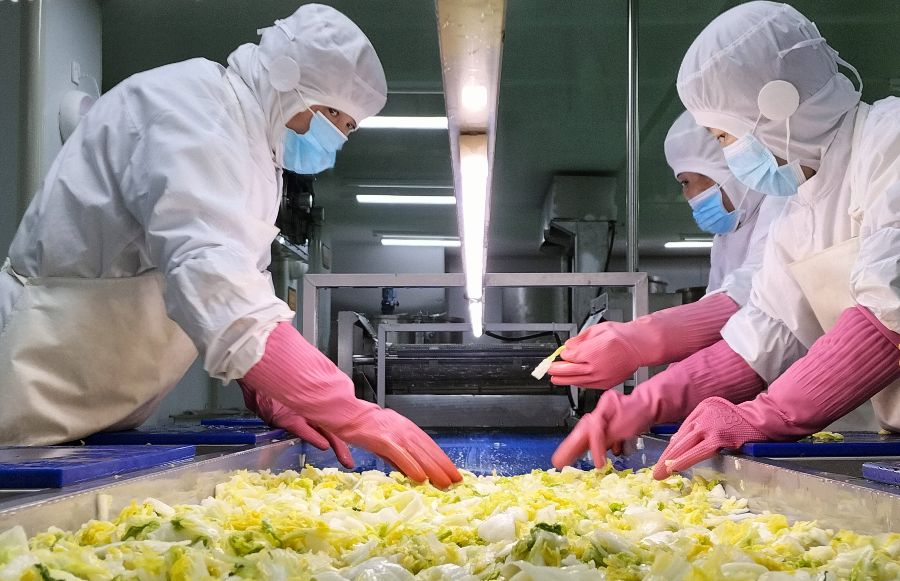
The advantages of central kitchen clean vegetable processing are mainly reflected in the following aspects:
1. Improve food safety: Vegetable processing deeply cleans and treats vegetables, removing surface dirt and pesticide residues, thereby improving vegetable hygiene and food safety. This treatment method makes the kitchen of a restaurant tidier and cleaner, ensuring food safety.
2. Improved Efficiency: Central kitchens utilize a centralized, standardized production model, unifying procurement, processing, production, and distribution. This significantly reduces duplicate procurement and processing across restaurants, saving both manpower and material resources. Furthermore, central kitchens can utilize mechanized and automated production methods to improve production speed and accuracy.
3. Promote the reduction of urban domestic waste: Clean vegetable processing can reduce the generation of urban domestic waste, because vegetable residues and packaging can be recycled, reducing the pressure on waste disposal. This is conducive to urban environmental governance and the efficient use of resources.
4. Reduced store costs: Centralized food production can save store kitchen space, thereby increasing restaurant dining areas and boosting sales. Furthermore, vegetable processing can cut vegetables into standardized sizes and shapes, reducing labor costs and equipment investment for catering businesses, minimizing raw material waste, and improving raw material utilization.
5. Industrial poverty alleviation and increased farmers' income: Developing clean vegetable processing is a key driver of accelerated catering industry upgrades and a crucial way to meet the growing consumption needs of urban and rural residents. Large-scale procurement and processing can help lift impoverished households out of poverty, increase farmers' incomes, and improve their quality of life.

Follow us