How Is Freeze-Dried Fruit Made And Why Is It So Expensive?
2025-10-18 11:42:25
How Is Freeze-Dried Fruit Made And Why Is It So Expensive?
Freeze-dried fruit is produced using a vacuum freeze-drying process. Drying food typically requires heating, so how can food be dried while frozen? Anyone who has studied physics knows that water has a three-phase curve. When frozen, a small amount of water molecules will directly escape from the ice and transform into water vapor. This transformation is called sublimation.
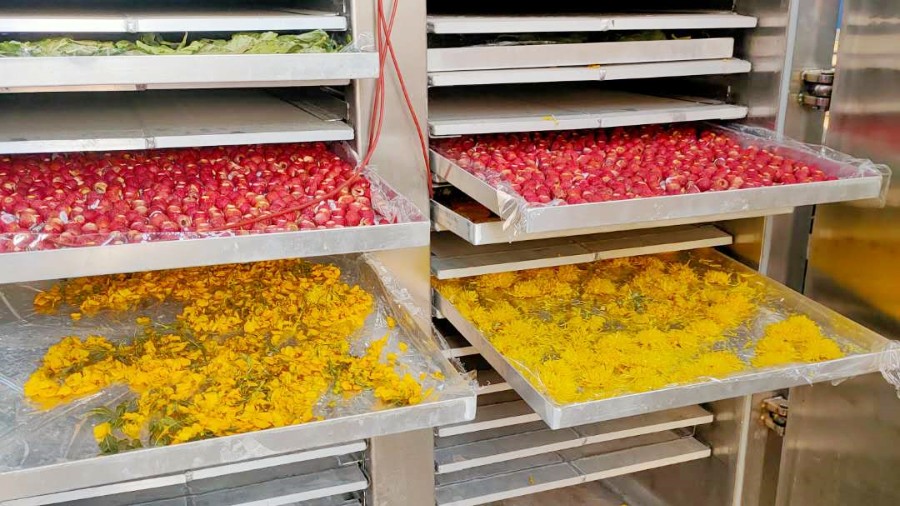
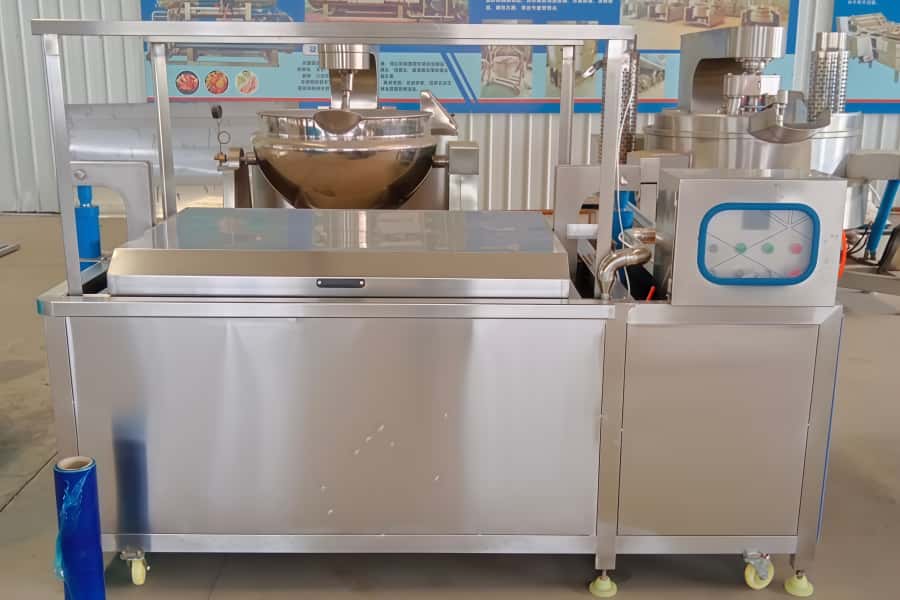
The vacuum freezing equipment first freezes the fruit to -30 to -40 degrees Celsius, filling the food with numerous tiny ice crystals. The air is then removed, lowering the air pressure. The water vapor generated by the sublimation of the ice crystals is also continuously extracted, causing the ice-air phase equilibrium to favor the formation of water vapor.
In this way, the ice crystals in the food continuously transform into water vapor at low temperatures. After dozens of hours, the food is dried.
Because the ice crystals transform directly into vapor, quietly leaving the food matrix without passing through the liquid phase, they leave many gaps within the food, resulting in a crunchy texture. Because it requires both freezing and vacuum drying, this process is very energy-intensive and more expensive than dehydration methods like sun drying, hot air drying, infrared drying, microwave drying, and low-temperature frying. However, the investment is rewarding. Freeze-dried fruit preserves nutrients effectively by "vacuuming" to prevent oxidation and "low temperature" to prevent heat-sensitivity of vitamins.
Vacuuming eliminates the problem of many nutrients and antioxidants being easily oxidized during processing. For example, nutrients like vitamin C, vitamin A, vitamin E, and folic acid, as well as antioxidants like anthocyanins, flavonoids, and carotenoids, are susceptible to oxidation.
Low-temperature freezing also eliminates the heat-sensitivity of some vitamins and phytochemicals. It's well known that vitamins like vitamin C, vitamin B1, and folic acid are heat-sensitive. Health-promoting ingredients like anthocyanins and glucosinolates are also heat-sensitive.
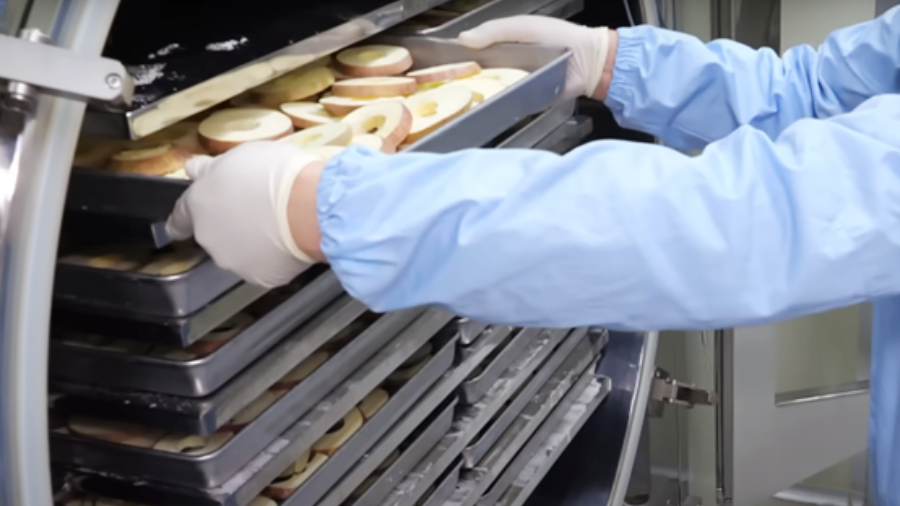
Because it's not cooked, there's no loss of water-soluble vitamin C, various B vitamins, or water-soluble health-promoting ingredients like anthocyanins, flavonoids, and chlorogenic acid. Because it's not fried, there's no risk of loss of healthy, fat-soluble ingredients like carotenoids and vitamin K.
Because it's sufficiently dry to inhibit microbial growth, no preservatives are needed.
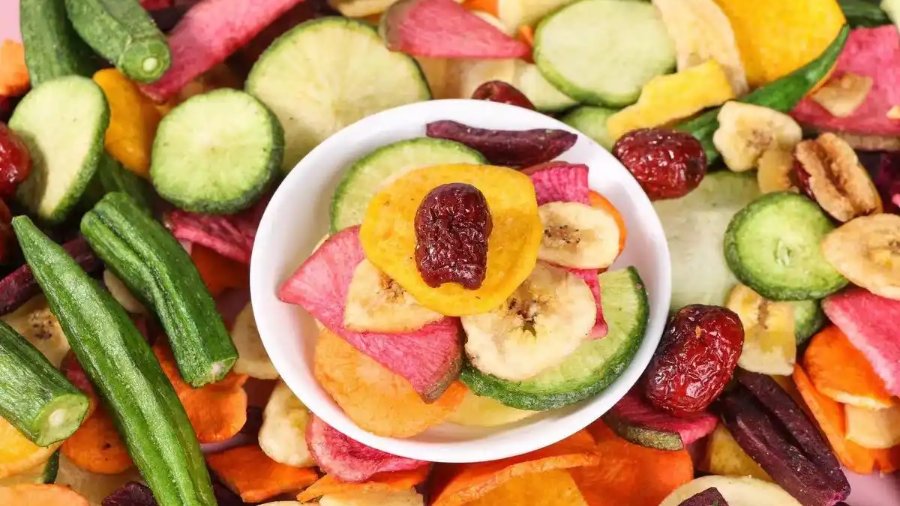
Note that freeze-dried fruit is susceptible to moisture and should not be confused with low-temperature fried fruits and vegetables or sugar-containing dried products.
However, due to the large number of voids, vacuum-freeze-dried foods are highly susceptible to moisture absorption. Porous foods, if left at room temperature for extended periods and exposed to oxygen, will also oxidize more rapidly.
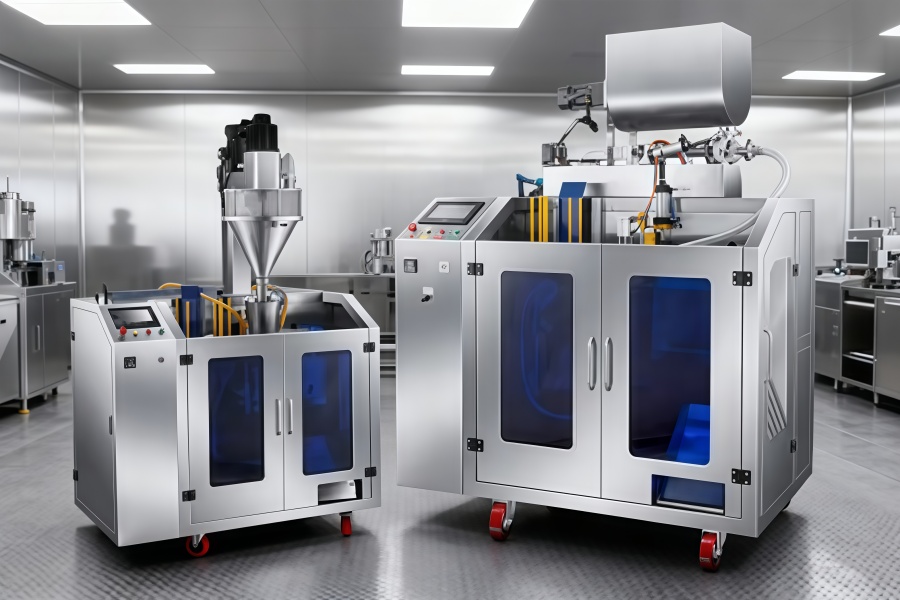
For this reason, freeze-dried foods are typically packaged in vacuum-filled, nitrogen-filled packaging that protects against light and oxygen. Therefore, it's important to consume them promptly after opening the package.